
Why Listening Helps Children (Ages 5–10) Feel Calm, Confident and Able to Cope
Many parents contact me with the same worry:
“My child used to be happy… now everything is a struggle.”
They describe:
• anger outbursts
• crying over small things
• refusal to go to school
• difficulty concentrating
• “not listening”
• sudden behaviour problems at school
Parents often think the problem is discipline.
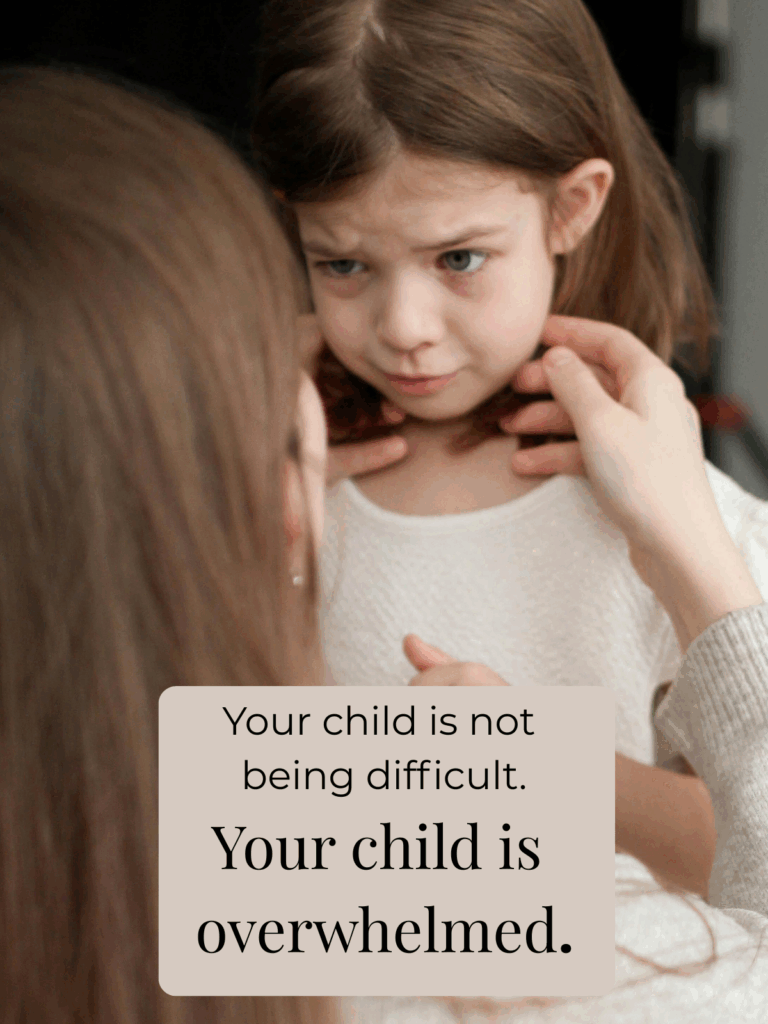
In reality, most of the time the problem is emotional overload.
Children between 5 and 10 years old are still learning how to understand their feelings.
They do not yet have a fully developed thinking brain to manage big emotions on their own.
So instead of saying:
“I feel anxious about school”
a child shows:
• tantrums
• defiance
• withdrawal
• stomach aches
• aggression
• refusing homework
This is not bad behaviour.
This is communication.
What Your Child’s Behaviour Is Actually Telling You
A child’s nervous system cannot regulate alone yet.
Your child borrows calm from you.
In psychology we call this co-regulation.
When a child feels emotionally overwhelmed, the brain goes into survival mode.
In survival mode the child literally cannot:
• think clearly
• listen
• concentrate
• learn
• control impulses
That is why punishment often makes behaviour worse.
The child is not choosing behaviour.
The child is showing distress.
Why Listening Is One of the Strongest Parenting Tools
Listening is not agreeing.
Listening is emotional safety.
When a parent truly listens, the child’s brain begins to settle.
The emotional brain (amygdala) calms, and the thinking brain (prefrontal cortex) comes back online.
Now the child can:
• cooperate
• solve problems
• learn from mistakes
• manage frustration
Listening helps a child develop:
• emotional regulation
• self-confidence
• resilience
• school readiness
• healthy friendships
Children who feel heard show fewer behaviour problems and cope better at school.
What “Real Listening” Looks Like (Practical Steps)
You do not need long conversations.
You need short moments of full attention.
Try this:
1. Pause first
Before correcting behaviour, slow yourself down.
2. Reflect the feeling
“I can see you are upset about school today.”
3. Name the emotion
“You feel worried.”
4. Do not fix immediately
Children calm when they feel understood, not when they receive solutions.
5. Stay physically present
Sit near. Gentle voice. Calm body.
Often the behaviour stops within minutes once the child feels emotionally seen.
Why Children Often Struggle at School
Many primary school behaviour problems are actually:
• anxiety
• perfectionism
• friendship stress
• sensory overload
• difficulty with emotional control
A child who cannot regulate feelings cannot focus on learning.
So the teacher experiences:
“inattention” or “disruptive behaviour”
But underneath is an overwhelmed nervous system.
When Listening Is Not Enough
Sometimes parents are doing everything right — and the child still struggles.
You may notice:
• repeated anger explosions
• extreme sensitivity
• nightmares
• school refusal
• ongoing anxiety
• very low self-confidence
• sudden personality changes
At this point the child often cannot explain what is wrong.
Children do not always talk about feelings.
They show them in play.
Many emotional experiences live in the body and the unconscious mind, where words are not yet available.
This is where therapy helps.
How Sandplay Therapy Helps Children
In Sandplay Therapy, children use miniature figures and sand to create scenes.
Through symbols and play, the child safely expresses:
• fears
• worries
• anger
• trauma
• friendship struggles
• school stress
The child does not need to “talk about it.”
The psyche speaks through images.
As emotional material is expressed symbolically, the nervous system begins to regulate.
Parents often notice:
• calmer behaviour
• better sleep
• improved school adjustment
• increased confidence
You Are Not Failing as a Parent
One of the most painful experiences for parents is feeling helpless.
Please know:
A struggling child does not mean a failing parent.
Often the child simply needs support that matches their developmental stage.
When to Seek Help
Consider child therapy if your 5–10 year old shows:
- frequent meltdowns
- aggression or anger
- anxiety about school
- difficulty making friends
- withdrawal
- low self-esteem
- sudden behaviour change
- concentration problems
Early support prevents later emotional and academic difficulties.
How I Can Help
I am Rina Louw, Clinical Social Worker, and I work with primary school children and parents in supporting emotional regulation, anxiety and behaviour difficulties.
My approach combines:
• child therapy
• parent guidance
• school collaboration
• Jungian Sandplay Therapy
I help children feel safe enough to grow — and help parents understand what their child’s behaviour is really saying.
Contact
If you are worried about your child’s behaviour, anxiety or emotional wellbeing, you are welcome to reach out.
📩 Email: info@rinalouwclinical.co.za
🌐 Website: https://rinalouwclinical.co.za
📍 Online sessions available across South Africa
Early support makes a lasting difference.
Pingback: Nurturing Learning Skills: Following instructions. A Guide for Parents of 5-10-Year-Olds - Rina Louw
Pingback: Social-Emotional Learning (SEL): 10 Tips for Parents. - Rina Louw