
“The goal of life is rapture. Art is the way we experience it. Art is the transforming experience.”
Joseph Campbell:

— Louie Schwartzberg, American director and producer
Transformation is a word often used but not always fully understood. It isn’t just about change; it’s about profound, meaningful shifts that can alter how we see ourselves and the world around us. Embarking on a creative journey is much like the Hero’s Journey, a concept popularized by Joseph Campbell. This journey unfolds in four transformative stages: The Call, The Departure, The Transformation, and The Return. Each step offers its own unique challenges and opportunities, mirroring the dynamic and liberating process of artistic expression.
Embracing the Call to Create
Every transformative journey begins with “The Call.” It’s that moment when you feel the urge to explore something deeper within yourself, to express what words alone cannot convey. In expressive therapy, this call is an invitation to tap into your innate creativity. Whether it’s through painting, sculpting, writing, or dancing, expressive therapy allows you to respond to this inner call, starting your journey toward self-discovery and healing.
Stepping Into the Unknown: The Departure
Once you hear the call, “The Departure” follows—your first step into the unknown. In the creative process, this step might look like facing the intimidating blank canvas or an empty page. It can feel like stepping into a new world, filled with both excitement and apprehension. This step requires courage—the courage to begin, to try, to fail, and to start again.
Expressive therapy offers a safe space to explore these feelings. It encourages you to trust the process, to move beyond self-judgment and embrace the unknown with an open heart and mind. Every brushstroke, every word, every movement is a step further on your journey.
The Transformation: Embracing the Creative Process
Joseph Campbell once said, “The goal of life is rapture. Art is the way we experience it. Art is the transforming experience.” This powerful statement encapsulates the essence of the third step in the Hero’s Journey—Transformation. As you delve deeper into your creative expression, a shift in awareness begins to occur.
Transformation in expressive therapy symbolizes an awakening, a new way of seeing and being. Engaging with your personal symbols and creative expressions allows something new and unexpected to take shape. This process is not just about creating a piece of art; it’s about transforming the artist—you. As Henri Matisse so wisely noted, “Creativity takes courage.” It takes courage to express yourself, to dig deep into the shadows of your subconscious, and to bring those hidden parts into the light.
Through this transformative journey, a dialogue emerges between your conscious and unconscious selves. Every color, texture, shape, or word becomes a bridge connecting your inner and outer worlds. As you engage in the creative process, you become both the creator and the created, experiencing a dance between the visible and the invisible. “Art does not reproduce the visible; rather, it makes visible.” —Paul Klee.
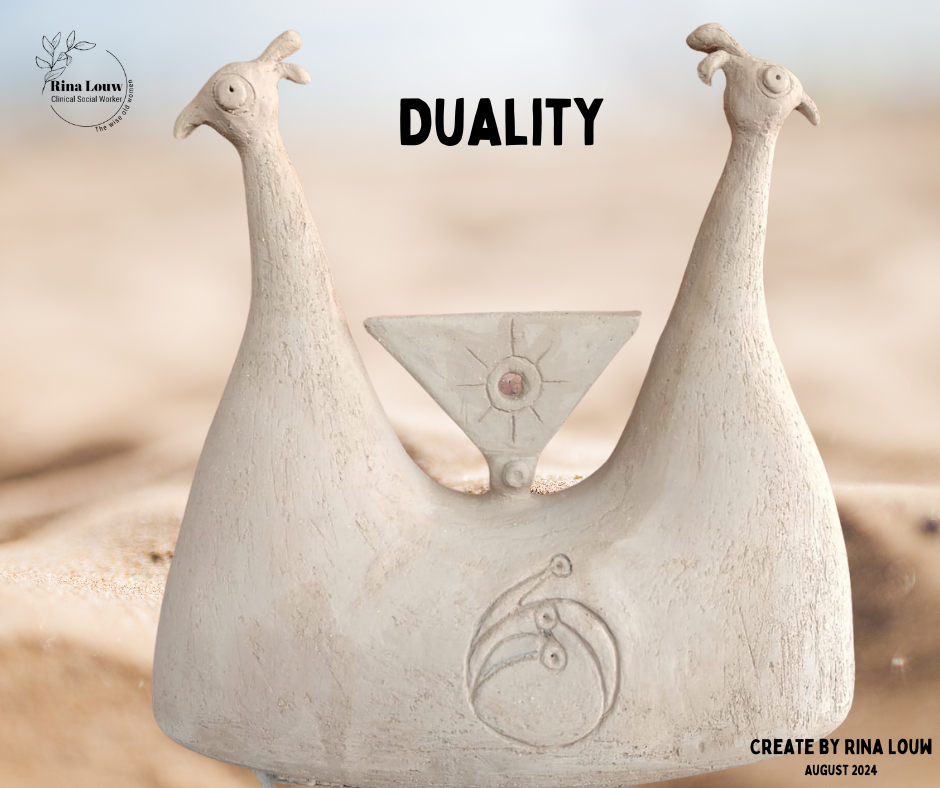
Returning Home: Bringing Your Transformation into the World
In Campbell’s Hero’s Journey, the final stage is “The Return.” This step symbolizes the act of coming back home—changed, enriched, and ready to share your newfound wisdom and experiences. In expressive therapy, this is the moment when you integrate the lessons learned and the shifts experienced back into your daily life.
You begin to notice changes—perhaps subtle, perhaps profound—in how you relate to yourself and others, how you express your emotions, and how you understand your place in the world. You may find that art becomes a new language, a way to communicate feelings and experiences that were once beyond words. You discover that the transformation was not just about creating art; it was about creating a new you.
Take the Step: Participate in Your Transformation
Art is not merely about creating objects of beauty; it is a process of liberation. It allows us to venture beyond the constraints of the visible world and explore the mysteries within us. By engaging in expressive therapy, you take on the dual role of both the hero and the creator, transforming not only yourself but the world around you.
As Wassily Kandinsky so eloquently put it, “There is no must in art because art is free.” Art frees us from our limitations, allowing us to explore, experiment, and express the uncharted territories of our souls. You do not need to be a professional artist to benefit from expressive therapy; you only need a willingness to explore and a desire to transform.
Begin Your Creative Journey Today
By embracing the creative process, you embark on a journey of self-discovery, growth, and transformation. You honor the courage it takes to confront the unknown, to face the blank canvas, and to create from the deepest parts of your being. In doing so, you allow art to evoke the mystery “without which the world would not exist” (René Magritte).
Are you ready to embark on this adventure? Your creative journey begins now.
So, answer the call. Step into the unknown. Allow yourself to be transformed through the power of creativity and self-expression. Your journey of transformation through expressive therapy is waiting, filled with discovery, courage, and the limitless potential of your inner hero.

Embarking on a creative journey is akin to the steps of the Hero’s Journey outlined by Joseph Campbell. This journey unfolds in four transformative stages: The Call, The Departure, The Transformation, and The Return. Each step presents unique challenges and opportunities, much like the artistic process itself.
To complicated
Hi